

When optimizing a CNC digital cutter for materials like foam, fabric, composites, or acoustic panels, one of the most critical yet often overlooked components is the felt conveyor belt. The thickness of this felt directly impacts cutting precision, material handling, and the longevity of your equipment.
For European and American manufacturers, where efficiency and precision are paramount, selecting the correct felt thickness is not just a technical detail—it's a strategic decision that affects your bottom line. This guide will walk you through the key factors to consider, helping you make an informed choice for your specific CNC cutting applications.
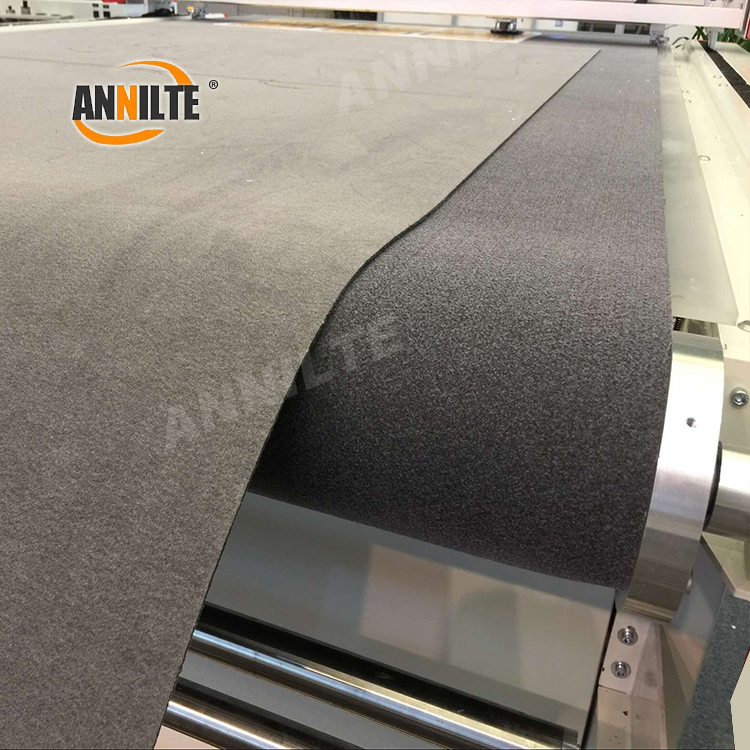
Understanding the Role of Felt on CNC Cutters
On a CNC cutting table, the felt belt serves multiple essential functions:
- Surface Protection: It provides a sacrificial cutting surface that protects the blade and the machine table.
- Material Support: It offers a stable, flat surface for materials to be cut with high precision.
- Vacuum Airflow: In many systems, the felt allows for efficient vacuum hold-down, keeping materials securely in place during the cutting process .
- Conveyance: It acts as a conveyor to move materials in and out of the cutting zone, streamlining production .
Choosing the wrong thickness can lead to issues such as premature wear, poor cut quality, increased downtime, and higher operational costs.
The "Goldilocks" Problem: Too Thin vs. Too Thick
The thickness of your felt belt creates a balancing act between several competing factors.
Risks of Choosing a Felt That Is Too Thin
- Reduced Blade Life: A thin felt offers less cushioning, causing the blade to strike the hard table surface more frequently, leading to rapid dulling or chipping.
- Insufficient Vacuum Hold-Down: Thin felt may not provide enough airflow resistance, reducing the vacuum pressure needed to hold lightweight or flexible materials flat.
- Premature Wear and Tear: The belt will wear out faster, especially under high-frequency oscillating knives, leading to more frequent replacements and downtime.
- Poor Cut Quality: Without adequate support, materials may lift or shift, resulting in imprecise cuts and material waste.
Risks of Choosing a Felt That Is Too Thick
- Reduced Vacuum Efficiency: An overly thick and dense felt can restrict airflow too much, significantly reducing the vacuum's holding power.
- Incompatibility with Machine Design: The thickness must be compatible with the machine's drive system, blade stroke, and Z-axis clearance. A belt that is too thick may not track properly or could interfere with the cutting head.
- Unnecessary Cost: Thicker felt generally costs more, and paying for extra thickness you don't need is an inefficient use of your budget.
Key Factors to Determine the Ideal Felt Thickness
To find the right balance, consider the following factors specific to your application:
1. Material to Be Cut
This is the most crucial factor.
- Soft, Thin Materials (e.g., fabric, paper, thin films): A thinner felt, typically 2.0mm to 2.5mm, is often sufficient. It allows for good vacuum hold-down and provides a stable cutting surface without being overly cushioned .
- Medium-Density Materials (e.g., leather, rubber, foam, carpet): A 3.0mm felt is a very common and versatile choice for many CNC cutting applications. Annilte's 3.0mm cut-resistant felt is an example engineered to balance flexibility and structural integrity, providing a robust cutting surface for a wide range of materials .
- Thick, Dense, or Abrasive Materials (e.g., heavy composites, thick felt, multi-layer materials): A thicker felt, such as 4.0mm or even 6.0mm, may be necessary. This provides greater shock absorption, protects the blade from hard impacts, and offers a more durable surface to withstand the cutting forces. For example, acoustic panels often have a thickness of 9-50mm and are cut with oscillating knives, requiring a robust supporting surface .
2. Type of Cutting Tool
The cutting technology you use influences the stress on the felt.
- Oscillating Knives: These high-frequency vibrating tools create significant downward force and friction. A thicker, more cut-resistant felt is generally recommended to absorb this impact and extend belt life .
- Drag Knives: These rely on sharp blades and a stable surface. A medium thickness (e.g., 3.0mm) that offers good support without being too soft is ideal.
- Rotary or Milling Cutters: These tools are used for heavier cuts and generate more debris. A durable, thicker felt can better withstand this aggressive cutting action.
3. Machine Specifications
Always consult your CNC machine manufacturer's recommendations. The maximum and minimum felt thickness will be dictated by:
- Pulley and Drive System: The belt must flex properly around the pulleys. Standard belts are often 2.5mm, 3.0mm, or 4.0mm thick to match common pulley designs .
- Blade Stroke and Z-Axis Clearance: The cutting head must have enough travel to cut through both the material and the felt if needed, without bottoming out.
4. Desired Production Efficiency and Belt Longevity
For high-volume production lines, longevity is key. A belt with higher cut resistance will last longer. Annilte, for instance, offers felt belts with cut resistance ratings up to EN 388 Level F++ for the most demanding environments . A balance between thickness and durability material composition is key.
General Thickness Recommendation Guide
While specific applications vary, the following table provides a general starting point for CNC cutter felt thickness selection:
| Application & Material Type | Recommended Felt Thickness | Key Considerations |
|---|---|---|
| Light-duty: Fabric, Paper, Thin Films | 2.0mm - 2.5mm | Prioritizes vacuum flow and flexibility. |
| Medium-duty: Leather, Rubber, Standard Foam | 2.5mm - 3.0mm | Best balance of support, vacuum, and durability. A popular choice for versatile cutters . |
| Heavy-duty: Composites, Carpets, Multi-layer Materials | 3.5mm - 4.0mm+ | Provides high cut resistance, shock absorption, and longer life under stress. For example, 4.0mm thickness can double load capacity compared to standard belts . |
| Specialized: Very thick acoustical felt (9-50mm) | 4.0mm+ | Often requires pairing with specific tools like bevel cutters and oscillating knives, necessitating a very stable belt surface . |
Beyond Thickness: Other Critical Properties
While thickness is vital, other material properties are equally important for a high-performance felt belt:
- Cut Resistance: This is the ability to withstand sharp knives. Look for belts with high EN 388 cut-resistance ratings .
- Heat Resistance: High-speed cutting generates friction and heat. A belt that can withstand temperatures up to 150°C or more is crucial for avoiding deformation and damage .
- Abrasion Resistance: Ensures the belt's surface doesn't wear down quickly, maintaining a flat and stable cutting area.
- Anti-Static Properties: Critical for cutting materials like fabrics or films, as static can attract dust and cause handling issues .
- Air Permeability: The felt must allow a controlled airflow for an efficient vacuum hold-down system.
Making Your Choice
Selecting the correct felt thickness for your CNC cutter is a critical decision. Start by analyzing the materials you cut most frequently. Remember that it’s not just about thickness; it's about finding a belt that offers the right combination of thickness, cut resistance, and durability for your specific needs.
For most applications, the 3.0mm felt belt serves as an excellent, reliable starting point due to its versatility. However, if you frequently cut heavy or abrasive materials, consider a thicker, more robust option like 4.0mm. For ultra-fine work on lightweight materials, a 2.5mm belt may provide the best performance. When in doubt, consult with the manufacturer to ensure optimal performance and longevity for your CNC system.

R&D Team
Annilte has a research and development team consisting of 35 technicians. With strong technical research and development capabilities, we have provided conveyor belt customization services for 1780 industry segments, and gained recognition and affirmation from 20,000+ customers. With mature R&D and customization experience, we can meet the customization needs of different scenarios in various industries.

Production Strength
Annilte has 16 fully automated production lines imported from Germany in its integrated workshop, and 2 additional emergency backup production lines. The company ensures that the safety stock of all kinds of raw materials is not less than 400,000 square meters, and once the customer submits an emergency order, we will ship the product within 24 hours to respond to the customer's needs efficiently.
As a leading Chinese conveyor belt manufacturer with 17 years of industry experience, Annilte is proud to hold both ISO quality management certification and the RoHS environmental directive. Our manufacturing facilities meet “Green Factory” standards, and we are also an internationally recognized SGS Gold Supplier.
We offer a comprehensive range of customizable belt solutions under our own brand "ANNILTE", designed to meet diverse industrial needs.
Should you require further information about our products or capabilities, please do not hesitate to contact us.
WhatsApp: +86 185 6019 6101 Tel/WeChat: +86 185 6010 2292
E-mail: 391886440@qq.com Website: https://www.annilte.net/
Post time: Aug-24-2026